How Device Locking Helps Reduce Smartphone Loan Defaults
A phone bought on EMI is two things at once: something the customer uses every day, and a loan the lender needs repaid. When repayments stop, most lenders have very little leverage. Device locking changes that by linking the phone to the loan it paid for. Used well, and within the rules, it gives borrowers a clear reason to stay on track without a single field visit.
Key takeaways
- Phone loans are small, unsecured and expensive to chase by hand.
- Device locking ties the financed phone to its loan, so missed EMIs have a consequence.
- Reminders do most of the work. Restriction is the backstop, not the first step.
- Under RBI's rules from 1 January 2027, restriction is allowed only after 30 days overdue, a full lock only after 60, and the phone must unlock within an hour of payment.
Why smartphone loans are hard to collect
Smartphone loans are small, short and usually unsecured. The amount owed is often less than what a lender would spend on a few recovery calls and a field visit. So when a borrower goes quiet, chasing the money by hand rarely makes sense.
Meanwhile the phone keeps working. The borrower still has calls, apps and payments, and nothing about their day changes when an EMI is missed. That gap between using the device and paying for it is where defaults build up.
What device locking actually does
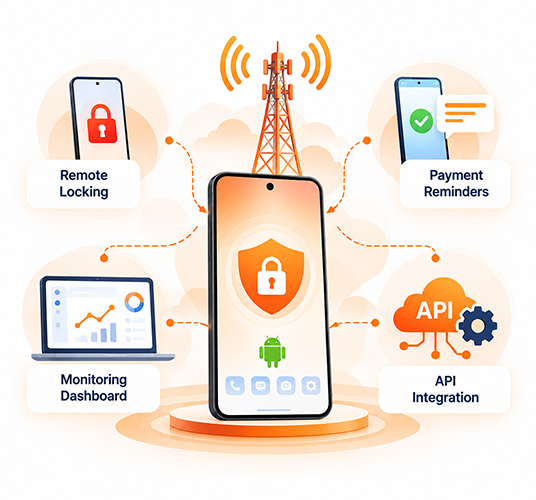
Device locking connects a financed phone to its loan. The phone is enrolled when it is sold, through a retailer app, an Android SDK or an API, and linked to the loan and its IMEI. From then on, the lender's system knows which phone belongs to which loan.
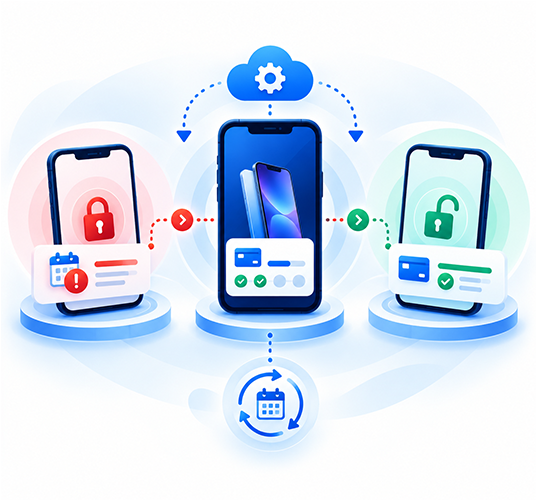
If an account stays overdue past the point allowed in the loan agreement, the lender can restrict some of the phone's features remotely. Once the borrower pays, access comes back automatically. Nothing is wiped and no personal data is touched. The phone simply becomes less useful until the loan is back on track.
Why it lowers defaults
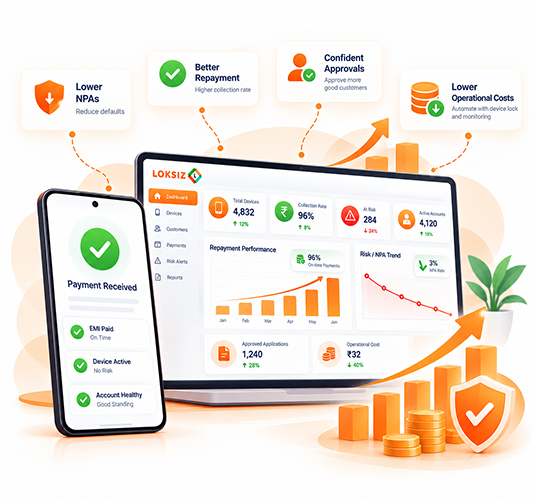
- It creates a real consequence. Paying on time keeps the phone fully working, which most borrowers care about far more than a reminder SMS.
- It works without field visits. Recovery happens remotely, so even small-ticket loans are worth collecting.
- It rewards paying quickly. Because the unlock is automatic, borrowers who pay get their phone back straight away, which encourages them to pay sooner.
- It helps lenders say yes more often. When the phone itself backs the loan, lenders can approve customers with thin credit files more confidently.
Reminders first, restriction last
The best results come from a graduated approach. Most borrowers who miss an EMI are not refusing to pay. Their salary was late, or they forgot. Friendly reminders by SMS, app notification and the lock screen solve most of these cases before any restriction is needed.
Restriction should be a backstop for accounts that stay overdue after clear notice, not the first thing a borrower experiences. This is better for the customer relationship, and it is also what the rules now require.
Doing it within RBI's rules
From 1 January 2027, RBI's directions set clear limits on device restriction. A lender may restrict only the device bought with that loan, only if the loan agreement allows it, and not before the account is 30 days overdue. A full lock is allowed only after 60 days. Incoming calls, SMS, emergency SOS and work use must keep working, personal data must not be accessed, and the device must be unlocked within one hour of payment.
Good device-locking software lets you set each of these as a rule, rather than relying on staff to remember them. Our RBI device-lock FAQs explain each rule in plain language.
How Loksiz helps
Loksiz links every financed phone to its loan, tracks payments in real time, sends reminders, applies restrictions only by the rules you set, and unlocks automatically on payment. Every action is logged, so you can show your process followed policy. See device locking and remote lock and unlock for details.
See Loksiz on your own devices
Book a short, free demo and see how Loksiz links devices to loans, reminds borrowers and unlocks on payment.
This article is general information, not legal or financial advice. For RBI rules, always check the latest directions and your loan agreements.