7 Ways to Reduce Loan Defaults on Phones Sold on EMI
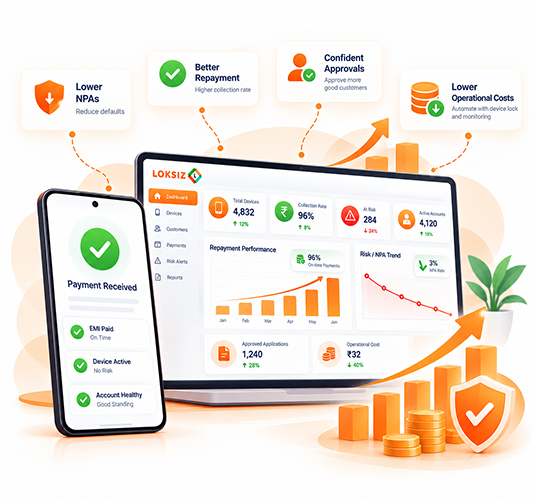
Defaults on phone loans rarely come from one big failure. They come from small gaps: a rushed sale, a missed reminder, a borrower nobody called until it was too late. Close enough of those gaps and defaults fall. Here are seven practical ways to do it.
Key takeaways
- Prevent defaults at the point of sale, not just at collection.
- Remind early and often, through channels borrowers actually check.
- Make paying as easy as possible.
- Use device locking as a fair, rule-based backstop.
1. Get onboarding right
Many defaults are decided on the day of the sale. Verify identity and contact details properly, explain the EMI amount and due date clearly, and make sure the customer understands what happens if they miss a payment, including whether the device can be restricted. Customers who understand the deal are far more likely to keep to it.
2. Link every device to its loan
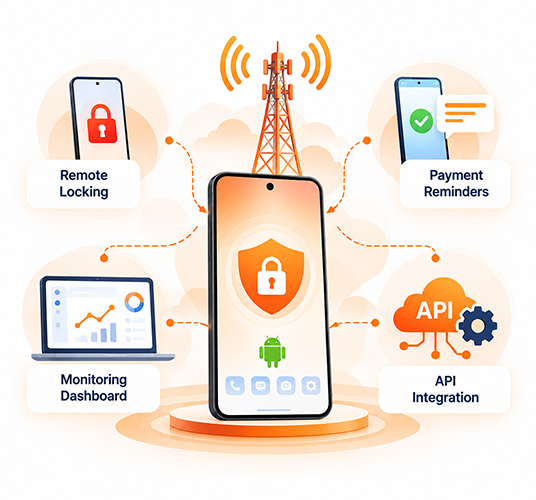
Enroll each financed phone at the counter and link it to the loan and its IMEI. This gives you a live view of every device in your portfolio and makes every later step, from reminders to recovery, faster and more accurate. It is also the foundation for using device locking within RBI's rules, which allow restriction only on the device bought with that loan.
3. Remind before the due date, not after
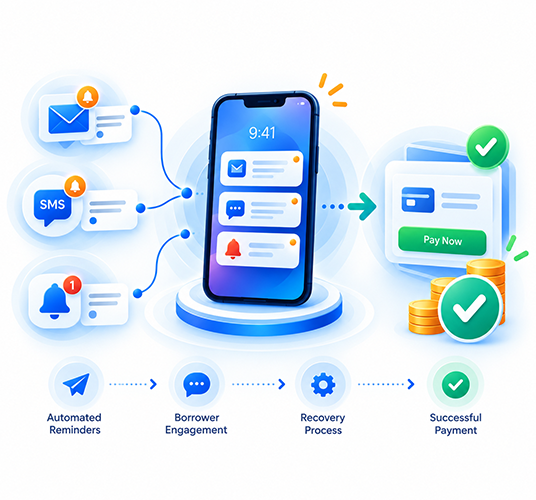
A reminder a few days before the due date prevents far more missed payments than a call after it. Use the channels borrowers actually see: SMS, app notifications and on-screen messages. Keep the tone friendly and include the amount and a simple way to pay. Learn more about automated payment reminders.
4. Make paying effortless
Every extra step loses some payments. Offer UPI, auto-debit and a one-tap payment link, and show the amount due clearly. If a phone is restricted, the lock screen itself should show what is owed and let the borrower pay on the spot.
5. Watch for early warning signs
Some accounts show risk long before they default: a device that stops checking in, repeated late payments, or patterns that suggest fraud at the point of sale. Flag these early so your team can act while the account can still be saved. See fraud detection and real-time monitoring.
6. Use device locking as a fair backstop
For accounts that stay overdue after notice, restricting the financed device gives borrowers a clear reason to pay, without field visits. Apply it in stages and within the rules: under RBI's directions from 1 January 2027, no restriction before 30 days overdue, no full lock before 60 days, essential functions always on, and unlock within an hour of payment. Our RBI FAQs cover the details.
7. Keep humans for the cases that need them
Automation should handle the routine work: reminders, escalation and unlocks. That frees your collections team to spend time on genuine hardship cases, disputes and customers who want to talk. It is better for borrowers and a better use of your team. Read more about improving collection efficiency.
See Loksiz on your own devices
Book a short, free demo and see how Loksiz links devices to loans, reminds borrowers and unlocks on payment.
This article is general information, not legal or financial advice. For RBI rules, always check the latest directions and your loan agreements.