Embedded Finance and the Future of Device Financing
More and more, the loan comes to the customer rather than the other way round. A shopper choosing a phone in a store or online is offered EMI at checkout, approved in minutes and walks away with the device. That is embedded finance, and device financing is one of the places it has taken hold fastest.
Key takeaways
- EMI at checkout is now expected for smartphones.
- Fintechs, retailers and lenders increasingly work together on one sale.
- Fast approval needs strong risk controls after the sale.
- Clear rules and fair treatment are becoming part of the product.
What embedded device financing means
Embedded finance means offering a loan inside another purchase, at the moment the customer needs it. For smartphones, that usually means an EMI option at the retail counter or online checkout, provided by a fintech or NBFC working behind the scenes with the retailer.
Trends shaping device financing
- Instant approval at checkout. Customers expect a decision in minutes, often with little credit history.
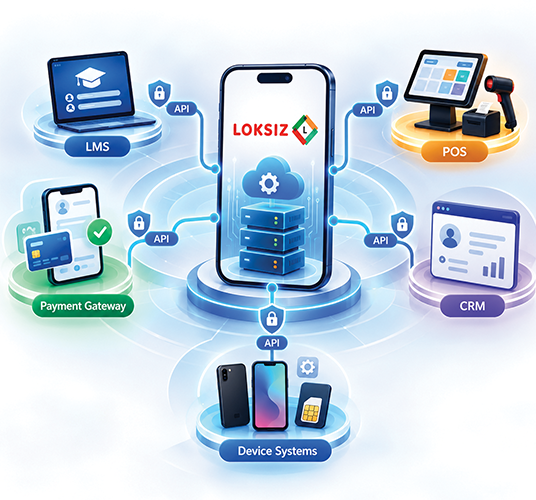
- Partnerships behind every sale. A single EMI sale may involve a retailer, a fintech platform, a regulated lender and a device-locking provider.
- Data-driven risk. Lenders lean on device and payment data, not just credit scores, to decide and to manage risk after the sale.
- More device types. Financing is spreading from phones to tablets, laptops and other devices.
- Stronger regulation. Rules on digital lending and device restriction are tightening, putting fair treatment at the centre.
The risk side of fast approvals
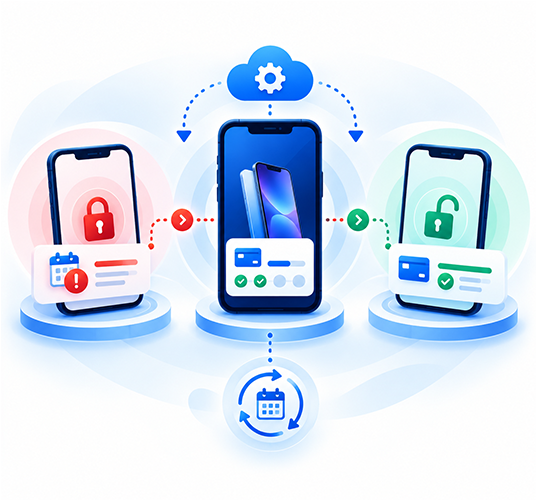
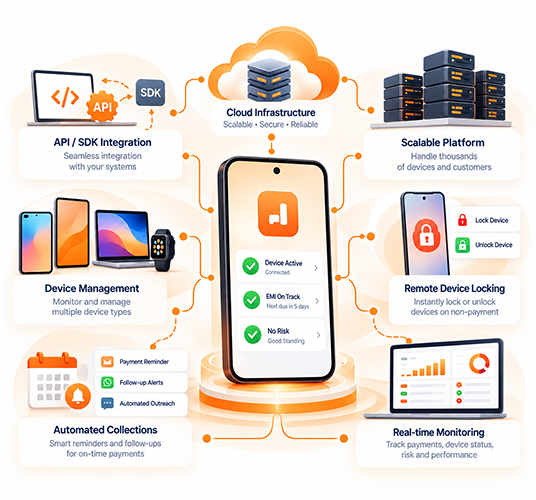
Approving customers quickly, often with thin credit files, only works if the lender can manage the loan well afterwards. That means knowing where every financed device is, reminding borrowers before payments are missed, and having a fair, rule-based way to recover when they are. Without that layer, fast approval simply means fast losses.
Building it the right way
Fintechs launching device financing do not need to build the enforcement layer themselves. Plugging in a specialist platform through an API lets them focus on the customer experience while the device linking, reminders and recovery run in the background. In India, RBI's device-lock rules from 1 January 2027 apply to regulated lenders, and many fintechs lend through a partner bank or NBFC that is responsible for compliance. Our RBI FAQs explain the rules.
How Loksiz helps
Loksiz gives fintechs and lenders the risk layer for embedded device financing: device-loan linking, real-time payment tracking, reminders and rule-based restriction, all through an API. See fintech companies and launching a smartphone financing program.
See Loksiz on your own devices
Book a short, free demo and see how Loksiz links devices to loans, reminds borrowers and unlocks on payment.
This article is general information, not legal or financial advice. For RBI rules, always check the latest directions and your loan agreements.